WikiBus: 2 months became 2 weeks
When know-how stopped depending on a few people
I built an internal knowledge base of 300+ guides, with one simple rule: when a problem needed solving for the third time, it then became a permanent, documented guide. Result: a new hire’s onboarding time fell from two months to two weeks, and more than 100 people have been trained through it.
The context
Two e-commerce companies, with three online stores in total (AlterSmoke, MrBig and xFood), employed dozens of people spread across completely different roles: order fulfilment, phone support, accounting, receiving, product listing, management and more. As Co-owner & Operations Director, I experienced first-hand a problem every organisation knows as it grows.
The challenge
In a business with many roles and constant hiring, the valuable know-how (exactly how each task is done properly) lived solely in the minds of experienced staff and management. It was passed on verbally and piecemeal, and often got lost inside endless chat histories.
Because every new hire learned the job from a different experienced colleague, in that person’s own way, the rules and procedures themselves came to be understood differently across the company: one person taught one thing, another taught something else. The result was divergence on two levels: in how employees operated internally, but also in how they served the customer. The same customer could get different treatment depending on who answered.
The consequences were daily and costly. Management answered the same questions over and over, instead of focusing on strategy. And every new hire meant training from the ground up: about two months until someone was fully onboarded, of which fifteen days of intensive initial training and the rest continuous support from supervisors and senior colleagues.
The solution
I designed and built WikiBus: an internal, multimedia knowledge base where every business process is documented once, clearly, and made available to everyone.
At its core was a simple rule: when a problem needed solving for the third time, it stopped being handled ad hoc and became a permanent, written guide. That way, from that point on, the issue was no longer worked out from scratch: the solution now existed, ready to retrieve.
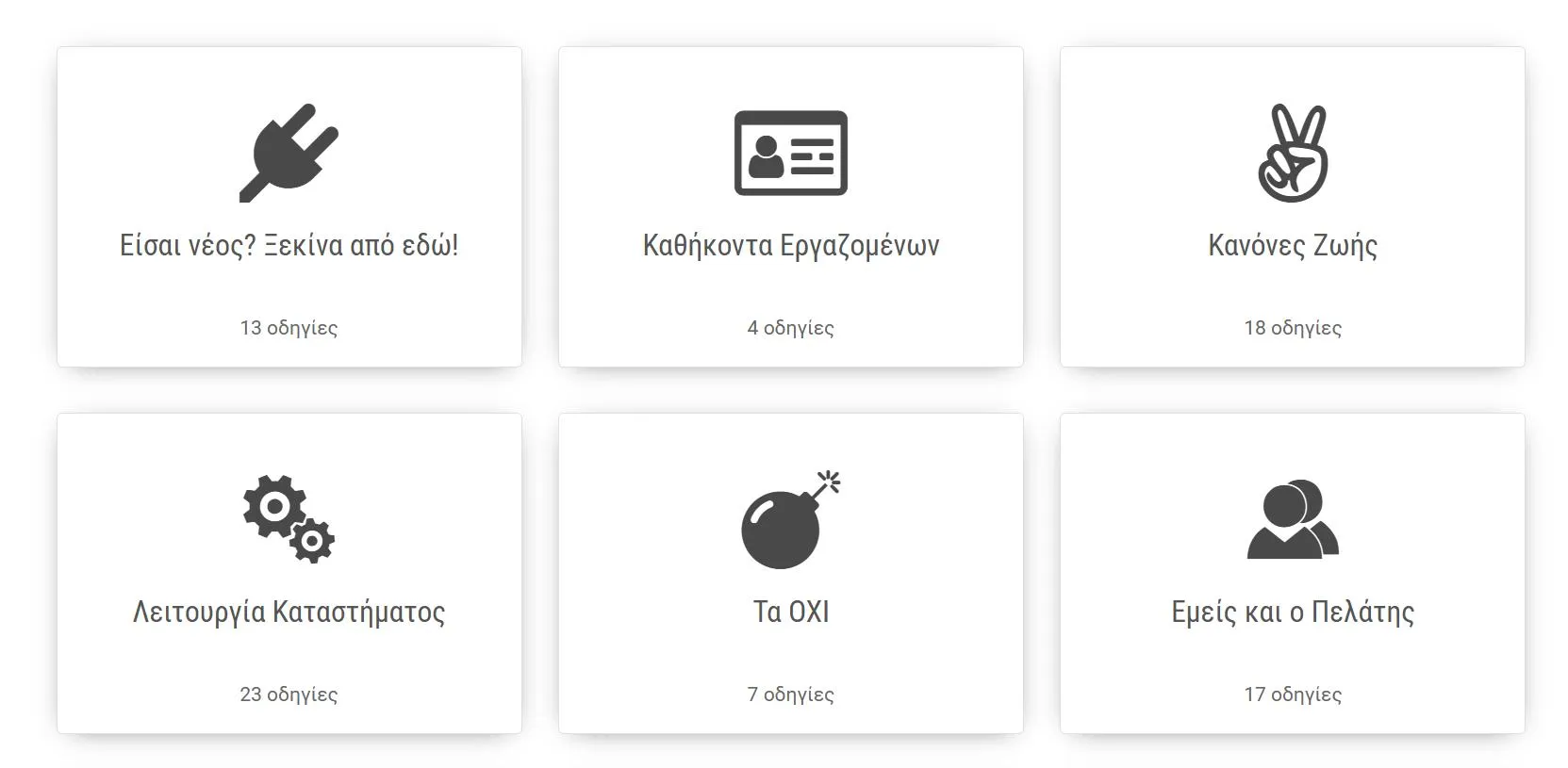
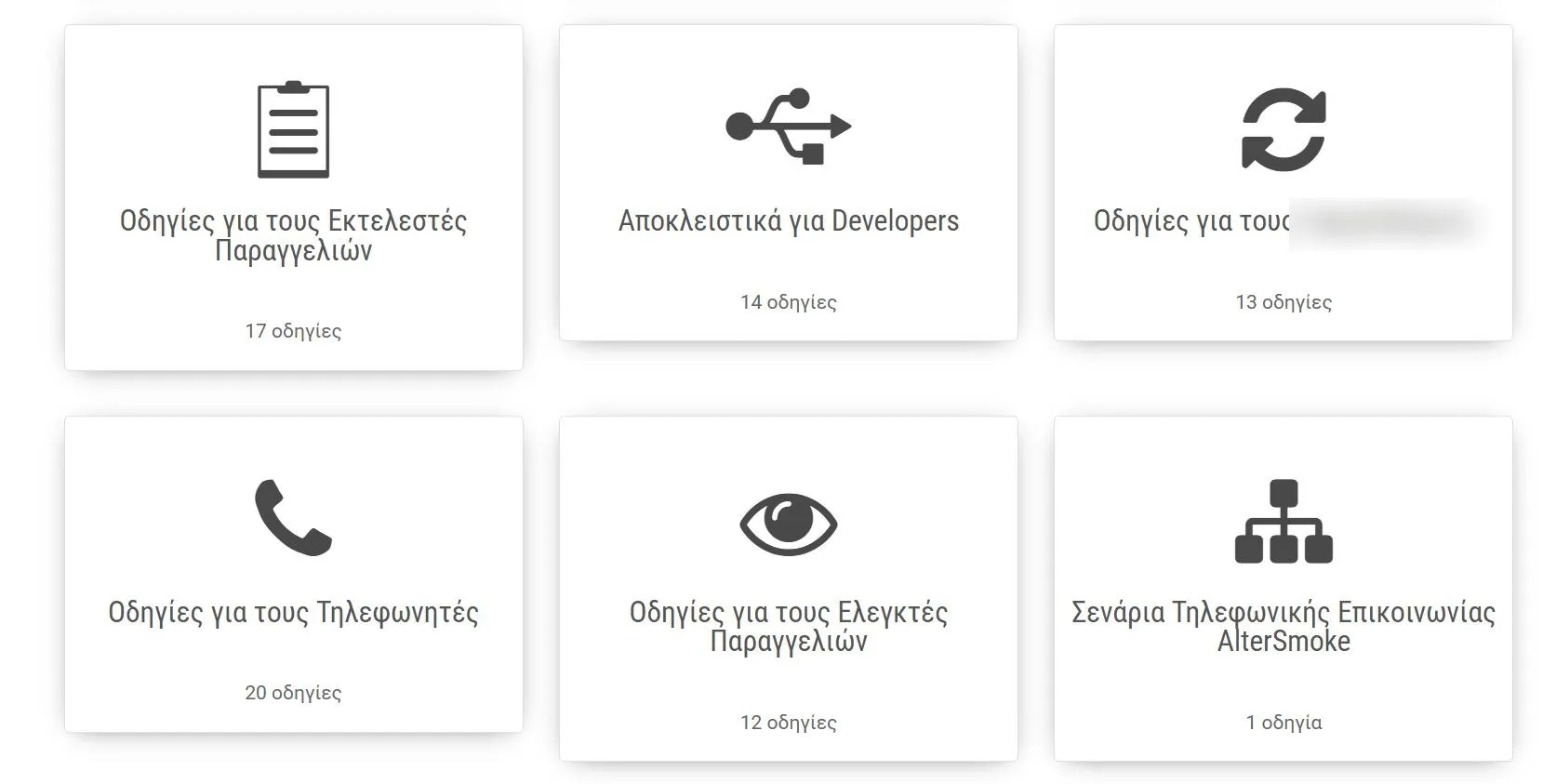
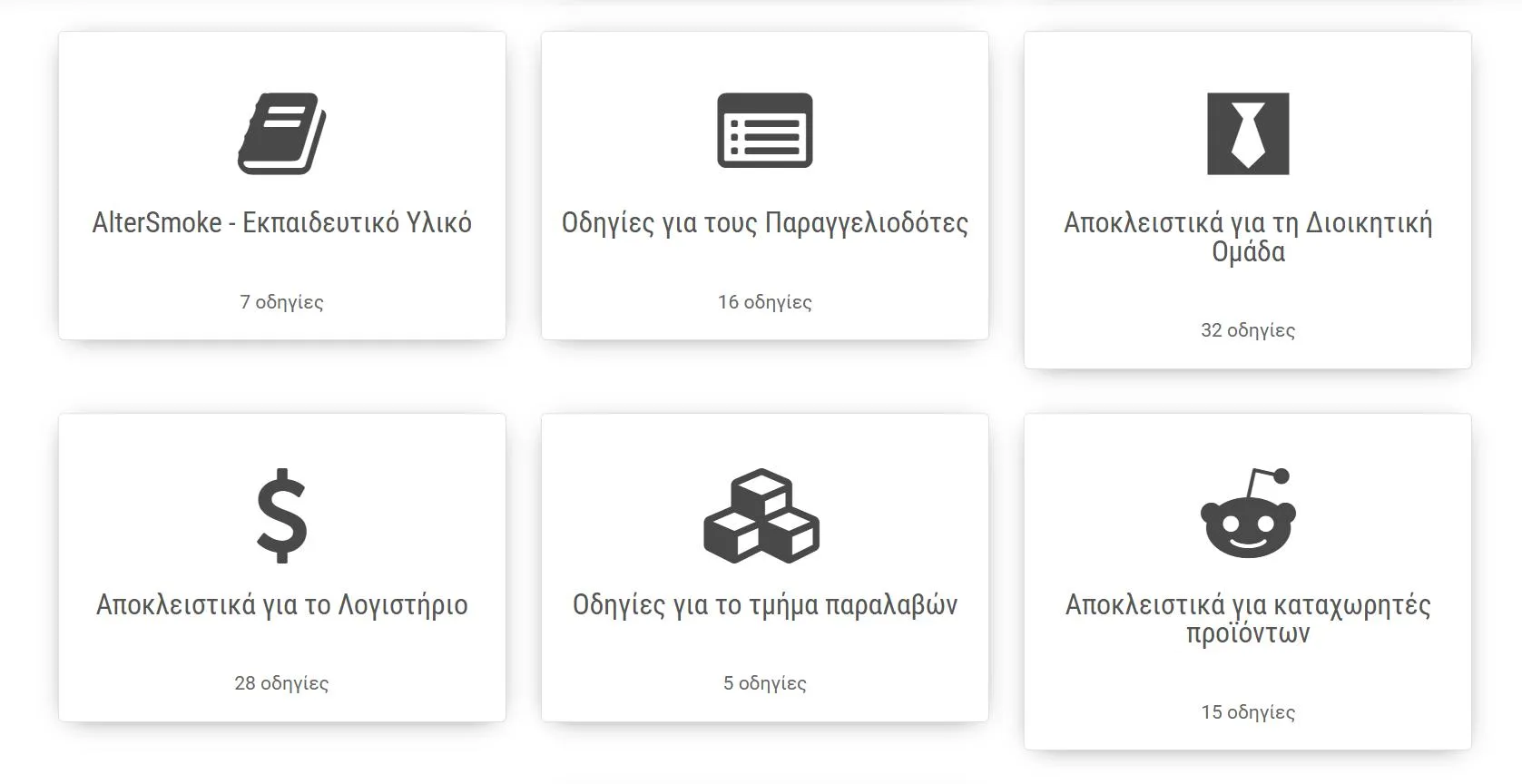
The system grew to more than 300 detailed guides, organised by role and department, with text, photos, diagrams and video, whatever best served the understanding of each case. Each guide was written clearly enough to be fully understood by anyone, regardless of experience. And, crucially, it was the same for everyone. So everyone now knew exactly the same rules, the same procedures and the same protocols, without the small or large divergences of the earlier era.
A new employee can now be trained for a situation before even meeting it in practice, so they are ready when it arises. And when they need guidance, they turn to WikiBus first; in most cases they find the answer there, without taking up management’s time.
Decisively, the system soon stopped depending on me. I trained two employees to draft new guides together; they would develop them up to a point and then present them to me for review, improvements and publication. The production of knowledge itself became an established process.
The results
- Full onboarding time for a new employee fell by ~75%, from about two months to roughly two weeks; the initial intensive training by 80%, from fifteen days to three.
- More than 100 employees have been trained through WikiBus.
- The business now needed less highly-paid administrative staff to run properly.
- Management was freed from repetitive questions and focused on more substantial matters.
- Every employee followed exactly the same rules and procedures, resulting in uniform internal operations and customer service.
- A sense of fairness took root in the team, since the rules were shared and clear for everyone.
From documentation to Artificial Intelligence
With the human base in place, the next logical step was to put Artificial Intelligence to use. I built a mechanism where AI agents spot inconsistencies and gaps in the existing guides. In parallel, having learned their style, they propose new ones consistent with the system’s logic. I put this into operation shortly before I left the companies.
What this means for you
WikiBus wasn’t a tool for one specific company; it was a methodology. It shows how an organisation’s know-how can stop depending on a few people and become a living system that trains, aligns and scales, with people building the foundation and Artificial Intelligence keeping it up to date. That is exactly the methodology I can design and build for your organisation.